Serving Carlsbad, CA and surrounding areas. (442) 446-1238
CBM Carlsbad Masonry serves El Cajon, CA with foundation block wall installation, concrete block walls, foundation repair, and driveway pavers - built for the intense inland valley heat and the clay soils that affect homes throughout this community. We hold a current California contractor license and reply within one business day.
From neighborhoods near Parkway Plaza and Gillespie Field to the older streets near downtown El Cajon, we work throughout the city and understand what the local housing stock - mostly 1950s through 1980s construction - actually needs.
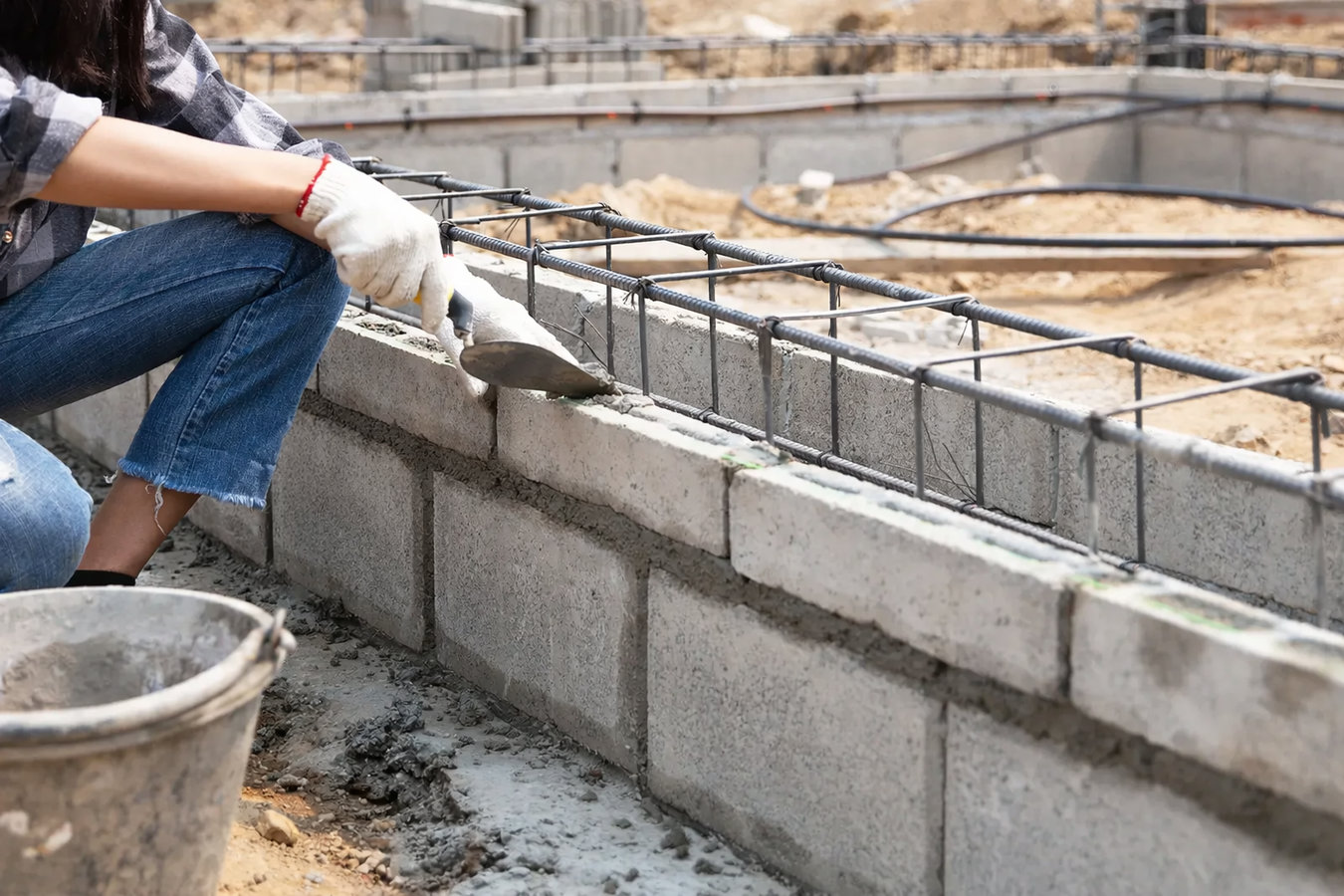
El Cajon properties built in the 1960s and 1970s commonly have original concrete block walls along property lines that are now showing decades of clay soil damage - cracked blocks, rusted rebar pushing through the face, and sections that have shifted off their original footing line. Our foundation block wall installation service includes properly engineered footings sized for the shrink-swell soil conditions in the El Cajon Valley, so the new wall stays plumb rather than repeating the same failure cycle.
Block walls are the dominant property boundary structure in El Cajon neighborhoods built during the postwar boom. At 40 to 70 years old, many original walls show deteriorated mortar, cracked blocks, and leaning sections that stucco patches and spot repairs can no longer fix. El Cajon summer temperatures regularly top 100 degrees, which accelerates surface oxidation and mortar breakdown far faster than on coastal properties. We assess what can be repaired cost-effectively and what needs a full rebuild with updated drainage and footing design.
El Cajon sits in a valley where clay soils expand when winter rain saturates the ground and then shrink during the long dry summer. On homes built in the 1950s through 1970s, this annual movement shows up as stair-step cracks near window corners, doors that stick in the frame, and floors that no longer sit level. Homes near the valley floor can also have softer fill soil that moves more than the hillside lots surrounding the city. Catching foundation movement early preserves value on a property worth protecting.
Concrete driveways on El Cajon suburban lots from the 1960s and 1970s are cracking along expansion joints as clay soil shifts beneath them through annual wet-dry cycles. Paver systems handle this movement better - individual units flex rather than crack across the full slab. When a section settles, pavers can be lifted and reset without tearing up the entire driveway, which makes them a practical long-term solution for the soil conditions specific to El Cajon properties.
Entry walkways and side-yard paths on older El Cajon homes crack and heave as tree roots and clay soil movement work from below - common in neighborhoods planted out in the 1970s where mature tree roots now run the full width of the yard. Paver or natural stone walkways tolerate this movement better than poured concrete slabs and hold up under the intense UV and heat load that El Cajon summer conditions put on any surface material.
Brick features - retaining walls, raised planters, garden borders, and entry columns - on El Cajon homes from the 1950s and 1960s often show spalling faces and open mortar joints after decades of thermal cycling between 100-plus degree days and cool winter nights. Left open, those joints allow water to infiltrate during the rainy season, freeze on cold nights, and expand the crack further. Repointing open joints and replacing spalled units restores the structure and stops the damage cycle before it reaches the brick core.
El Cajon is enclosed on most sides by hills and mesas - the name means "the box" in Spanish, and the geography traps heat and shapes how water drains off every property in the valley. Summer temperatures regularly exceed 100 degrees Fahrenheit, making El Cajon one of the hottest spots in San Diego County. That heat bakes mortar joints, dries out caulk around masonry penetrations, and causes concrete surfaces to oxidize and spall faster than they would closer to the coast. Santa Ana wind events in fall push humidity to near zero and gust over 50 miles per hour - another stress on any masonry structure that clay soil movement has already weakened.
The housing stock compounds the problem. The bulk of El Cajon's residential properties were built during the postwar suburban boom - the 1950s through the 1970s - which means original driveways, block walls, walkways, and masonry fences are now 40 to 70 years old. Many were built to the standards of that era, which did not account well for the clay soil shrink-swell cycle that defines this valley. The result is that a large share of El Cajon properties have masonry features that have been slowly losing ground for years. A contractor who understands this soil and climate combination designs repairs with proper footing depth and drainage so the work holds up - not just until the next rainy season but for the long term.
Structural masonry permits in El Cajon are processed through the City of El Cajon Building Division. New freestanding walls over 6 feet, retaining walls over 3 feet, and all structural foundation work require permits, and El Cajon reviews often include a drainage plan given the valley topography. We submit complete permit packages the first time, which keeps your project on schedule rather than waiting on resubmittal reviews.
El Cajon spreads across a wide valley floor, with major corridors running along Magnolia Avenue, Broadway, and Main Street. The residential neighborhoods fan out from downtown in every direction - older 1940s and 1950s homes near the city center, 1960s and 1970s tract homes in the mid-city neighborhoods, and some newer construction toward the eastern edges near Gillespie Field and up into the hills surrounding the valley. The valley-floor neighborhoods tend to have softer fill soil and drainage challenges; the hillside lots deal more with slope-driven footing movement.
We also regularly serve the nearby community of La Mesa, which sits just west of El Cajon in similar foothills terrain, and Santee, which shares the same inland valley soil and climate conditions to the north. Working across all three communities means we understand the soil and permit differences that matter at the property level.
Reach us by phone or through the estimate form. We respond to all El Cajon inquiries within one business day and can often schedule a site visit the same week.
We assess the property in person - checking soil conditions, existing footing depth, drainage, and the scope of the failure. You receive a written line-item estimate before any work begins, so there are no surprises on price.
For permitted work in El Cajon, we pull the permit with the City Building Division and schedule the start date around the review timeline. You do not need to manage the permit process - we handle it.
The crew completes the work and removes all debris from the property. For block wall and foundation work in El Cajon, we schedule a final walkthrough with you before marking the job complete.
We serve El Cajon and all surrounding East County communities. Written estimates, no pressure, and a reply within one business day.
(442) 446-1238El Cajon is a city of about 103,000 people in San Diego County, located roughly 14 miles east of downtown San Diego in a valley enclosed by hills on most sides. The city's name translates to "the box" in Spanish, which accurately describes the bowl-shaped geography. El Cajon is one of the hotter cities in the county during summer, with the surrounding hills blocking the coastal marine layer that moderates temperatures closer to the ocean. The residential landscape is dominated by ranch-style and modest tract homes built during the postwar suburban boom of the 1950s through 1970s, with some older homes near the downtown core dating back to the 1930s and 1940s.
The city has grown more diverse over the past two decades and is home to one of the largest Chaldean communities in the United States. Major landmarks known to residents include Parkway Plaza shopping center, Gillespie Field general aviation airport, and the East County Performing Arts Center near downtown. Neighboring La Mesa sits immediately to the west, sharing the foothills terrain and postwar housing stock that drives masonry maintenance needs across both communities. To the north, Santee faces the same inland valley clay soil conditions and has a similar concentration of 1970s and 1980s tract homes reaching the end of their original masonry useful life at the same time.
Professional diagnosis and repair of foundation cracks, settling, and structural issues.
Learn moreExpert chimney rebuilding, relining, crown repair, and waterproofing services.
Learn moreRemoval of deteriorated mortar and precise replacement to restore masonry integrity.
Learn moreReplacing damaged, spalling, or missing bricks to restore the look and strength of your structure.
Learn moreCustom paver driveway installation using brick, concrete, or natural stone.
Learn moreEngineered retaining walls built to hold soil, manage drainage, and enhance your landscape.
Learn moreRestoring aged or damaged masonry structures to their original appearance and function.
Learn moreCustom masonry fireplace and surround construction for indoor and outdoor spaces.
Learn moreNatural and manufactured stone veneer application for walls, facades, and accent surfaces.
Learn moreStructural and decorative concrete masonry unit (CMU) wall construction.
Learn moreBlock wall systems installed at foundation level for structural support and perimeter definition.
Learn moreCustom outdoor kitchens, BBQ enclosures, and entertainment areas built in masonry.
Learn moreDurable walkways and pathways installed in brick, pavers, flagstone, or poured concrete.
Learn moreNew brick wall construction for privacy, security, property division, and curb appeal.
Learn moreNatural stone construction and detailing for walls, steps, columns, and decorative features.
Learn morePrecise repointing of brick joints to stop water intrusion and prevent further deterioration.
Learn moreServing these cities and communities.
Clay soils and valley heat put your block walls and concrete under real pressure every year. Call CBM Carlsbad Masonry today and get a written estimate before the next rainy season starts the damage cycle again.